a
News
Reducing Construction Delays Through Pre-Planning Models
Digital Planning Before Groundbreaking
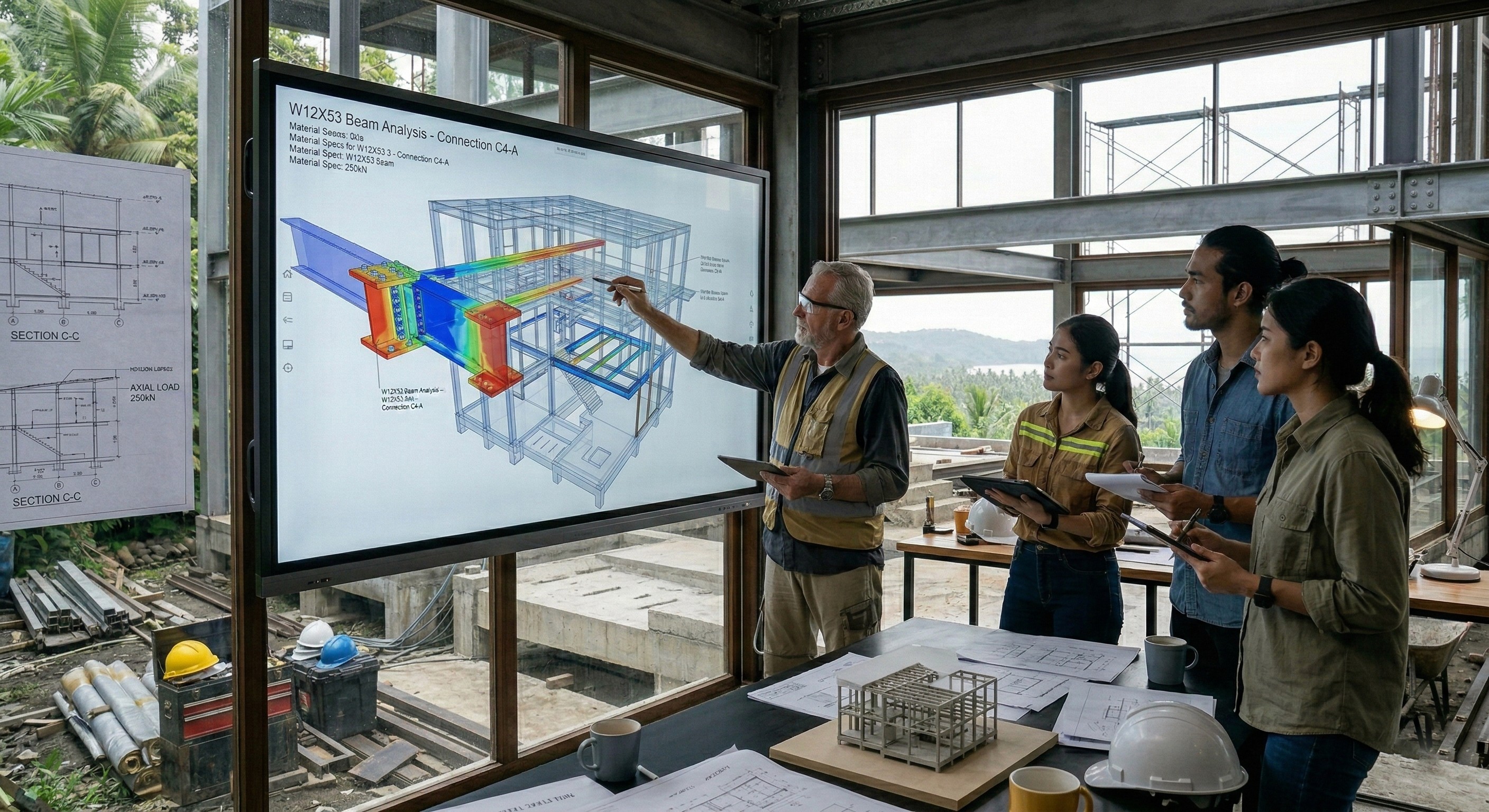
Construction delays often originate from insufficient coordination. Digital structural modeling identifies clashes and sequencing conflicts before site work begins. Pre-planning reduces material waste and scheduling errors. When steel components are integrated into BIM systems, execution becomes predictable. Efficiency begins with preparation.
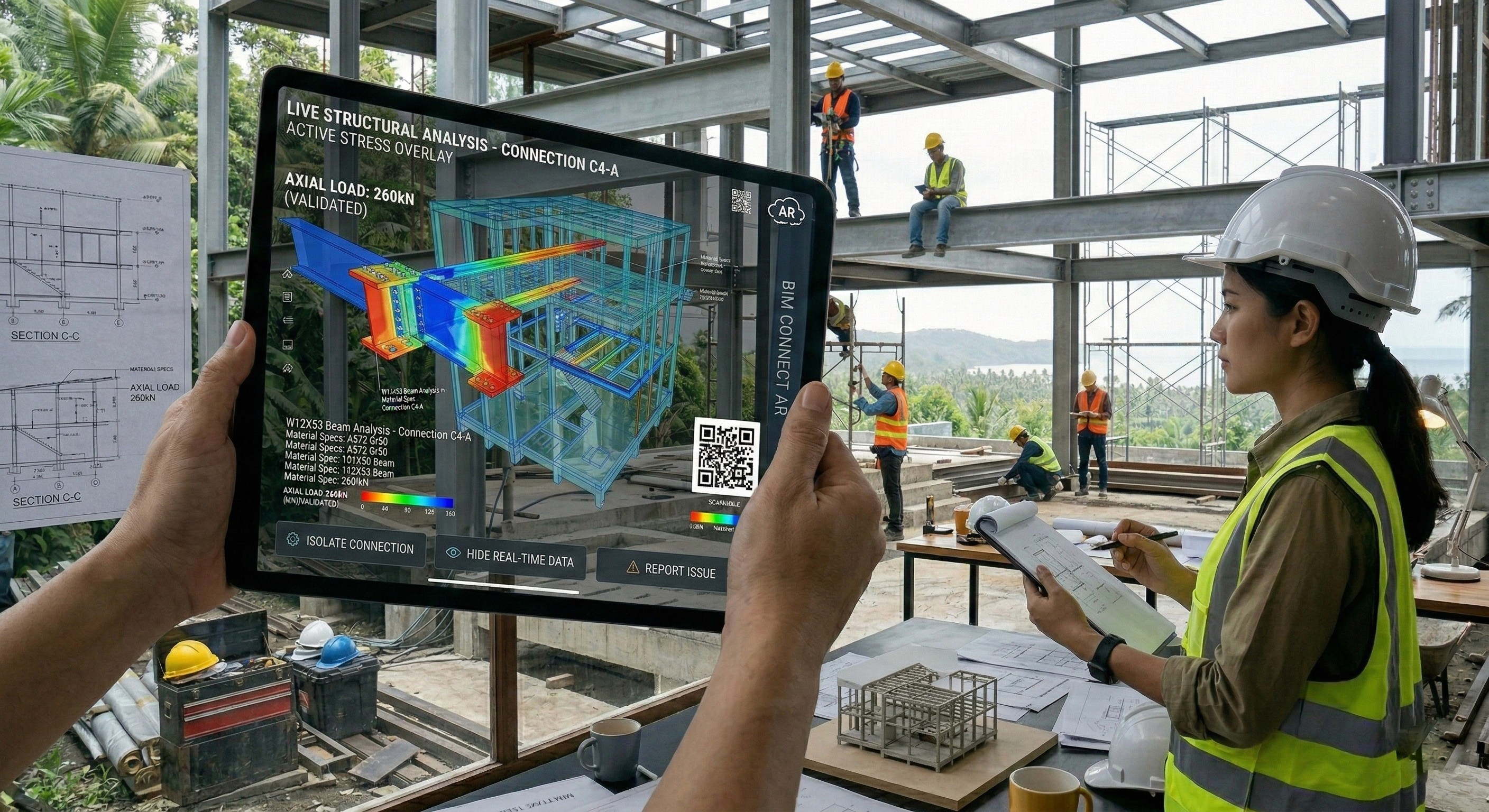
Digital planning minimizes structural uncertainty.
“Build twice — once digitally, once physically.”
The Importance of Pre-Construction Coordination
Construction delays in Bali are frequently linked to coordination gaps rather than material shortages. Early integration of structural planning significantly reduces these risks.
Key delay-prevention strategies:
Comprehensive Structural Sequencing
Mapping installation order before ground-breaking prevents workflow conflicts.
Integrated Contractor Coordination
Aligning structural, architectural, and MEP teams early reduces rework.
Material Procurement Scheduling
Early fabrication planning ensures structural components are ready when site preparation is complete.
Digital Clash Detection
Identifying structural conflicts within 3D models prevents costly on-site corrections.
Weather Window Optimization
Aligning critical installation phases with favorable climate periods reduces exposure risk.
Digital Systems That Increase Predictability
Building Information Modeling (BIM)
Enables coordinated planning between disciplines before physical execution.
4D Construction Simulation
Time-based modeling allows visualization of build progression.
Structural Performance Analytics
Pre-construction load simulations reduce risk of redesign during construction.
Digital Documentation & Revision Tracking
Version control prevents outdated plans from reaching site.
Prefabrication Integration with Scheduling Software
Fabrication progress aligns directly with on-site readiness.