
a
News
Structural Weight Reduction and Foundation Efficiency
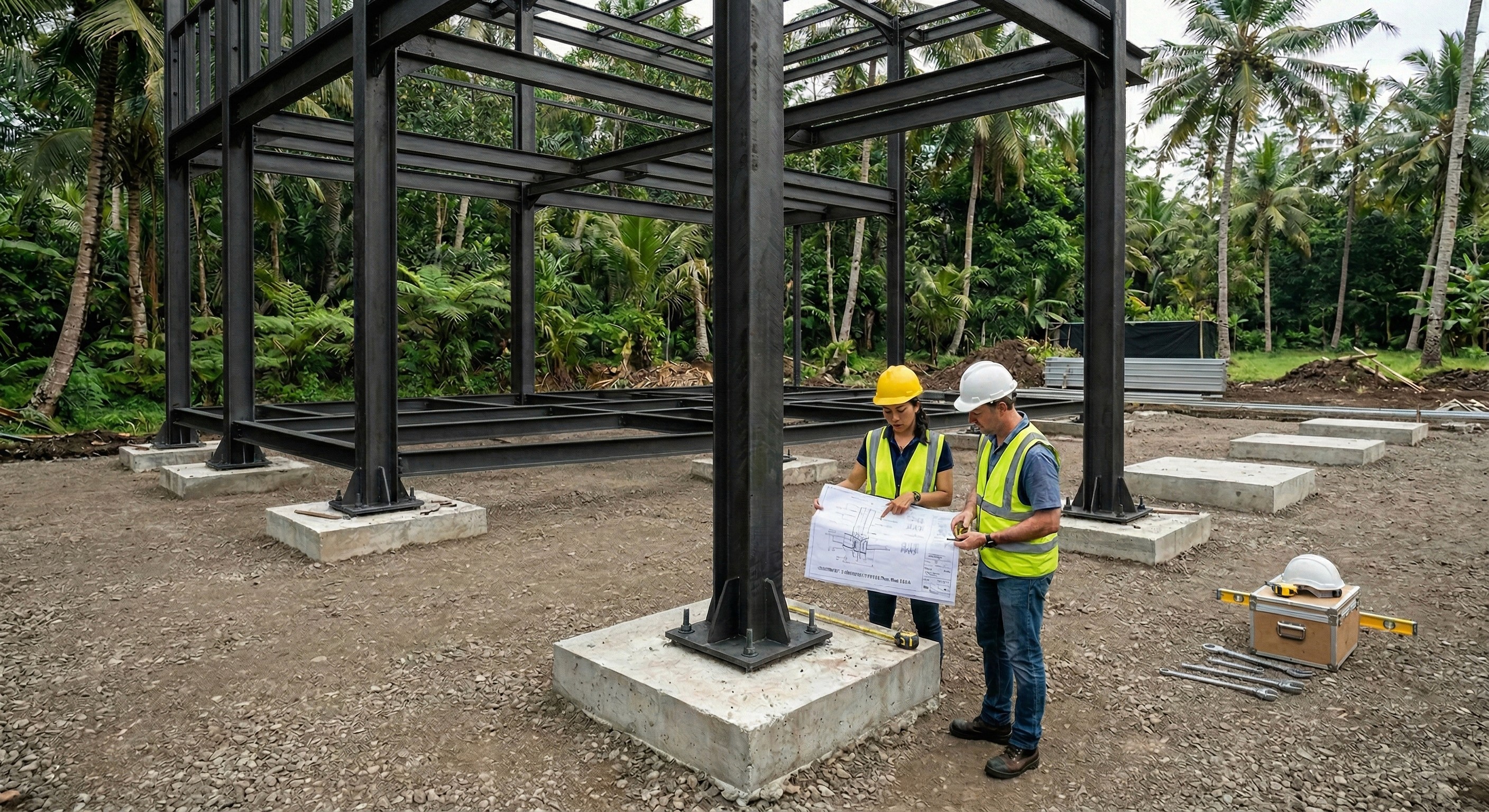
Optimizing Structural Mass
Excess structural weight increases foundation complexity. Steel systems distribute loads efficiently, reducing material intensity. In variable soil conditions, lighter systems offer improved adaptability. Efficiency in structure translates to efficiency in budget.
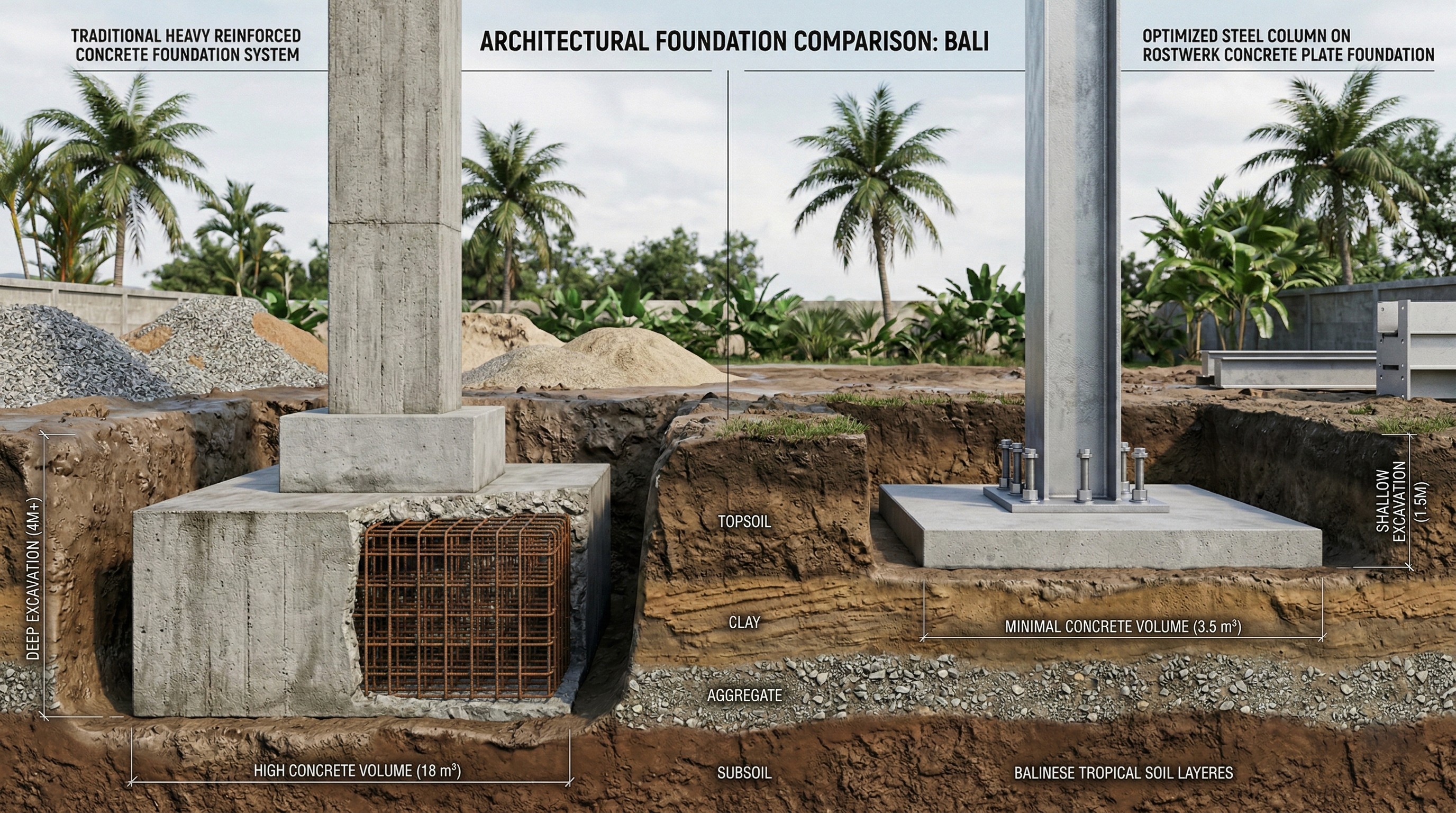
Structural mass influences foundation scale.
“Less weight, more intelligence.”
Reducing Mass Without Reducing Integrity
Structural weight has a cascading impact on the entire construction process. Every additional ton of material increases demands on excavation, reinforcement, curing time, and transportation logistics.
By adopting lightweight steel framing systems, projects can significantly reduce these secondary requirements.
Key structural and economic implications include:
Optimized Foundation Design
Lower imposed loads allow engineers to reduce footing size and reinforcement density without compromising structural safety.
Reduced Excavation Scope
Lighter systems often require shallower foundation work, decreasing earth removal and backfill operations.
Material Efficiency
Less concrete volume translates into lower raw material consumption and improved cost predictability.
Shortened Construction Timeline
Smaller foundations cure faster and allow earlier progression to structural assembly.
Improved Soil Compatibility
In areas with less stable or moisture-sensitive soil, minimizing structural weight reduces long-term settlement risk.
Cost optimization, in this context, emerges from structural intelligence rather than material reduction alone.
Analytical Precision Enables Material Efficiency
Lightweight structural systems rely on advanced modeling and calculation techniques to ensure performance is not compromised.
Modern engineering methods supporting weight optimization include:
Load Path Analysis Modeling
Engineers map how forces travel through the structure to eliminate unnecessary material concentration.
Soil-Structure Interaction Simulation
Digital analysis evaluates how foundation systems respond to specific soil conditions, allowing tailored design rather than overengineering.
High-Strength Steel Section Selection
Using advanced steel grades increases capacity without increasing cross-sectional mass.
Finite Element Structural Modeling
Software simulations predict stress distribution under various load scenarios, ensuring compliance with safety standards.
Anchor and Base Plate Engineering Optimization
Precise calculation of connection forces allows smaller yet fully compliant foundation interfaces.
Through calculated reduction — not compromise — structural systems achieve both efficiency and resilience.